Cladding Homes Bendigo: A Comprehensive Overview
Introduction
Welcome to an in-depth exploration of a pioneering concept that has transformed the residential construction industry—Cladding Homes Bendigo. This innovative approach to building exterior finishes is not just a passing trend but a sustainable and aesthetically pleasing method gaining global recognition. In this article, we will navigate through the various facets of Cladding Homes Bendigo, from its foundational concepts to its worldwide impact, economic implications, and future prospects. By delving into these aspects, readers will gain valuable insights into this revolutionary building technique and its potential to shape urban landscapes.
Understanding Cladding Homes Bendigo: A Definition and Its Key Elements
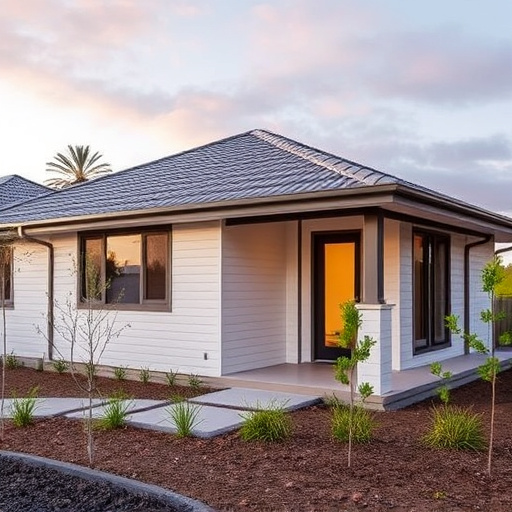
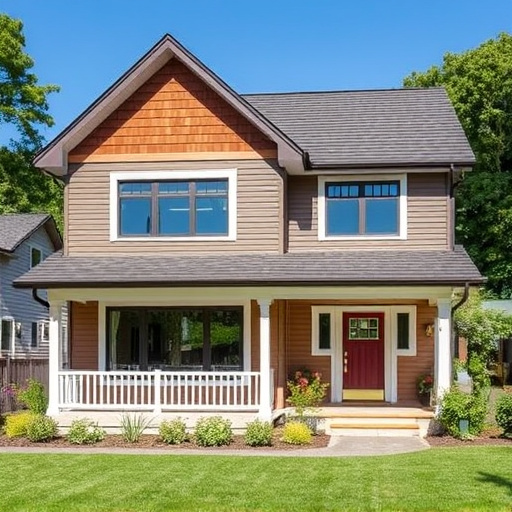
Definition: Cladding Homes Bendigo refers to a construction method where a building’s exterior walls are covered with a durable, weather-resistant material, often in a variety of designs and colors, to enhance aesthetics and provide insulation. This technique is particularly popular for residential properties, offering a unique blend of functionality and design flexibility.
Core Components:
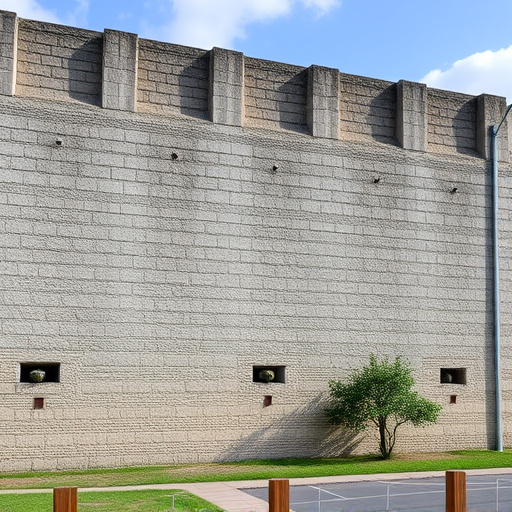
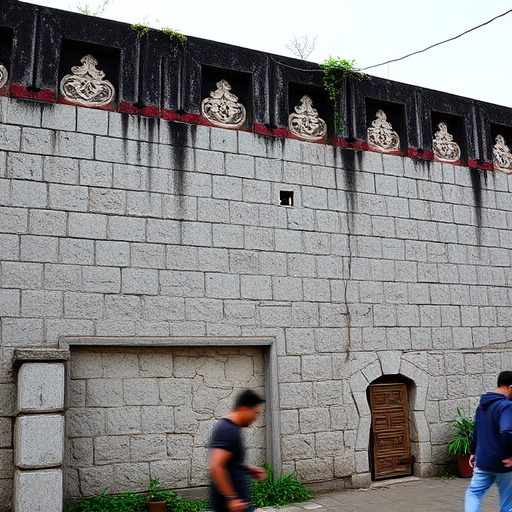
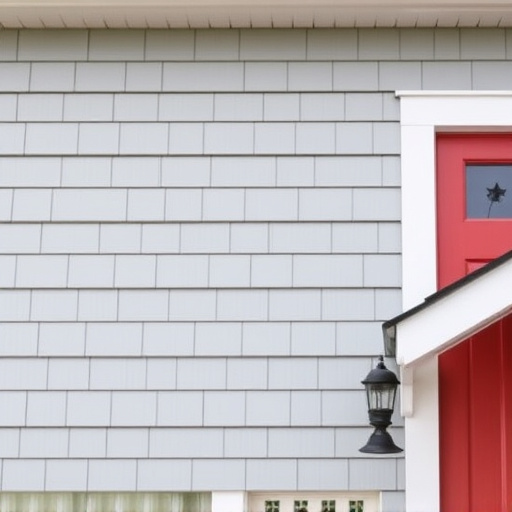
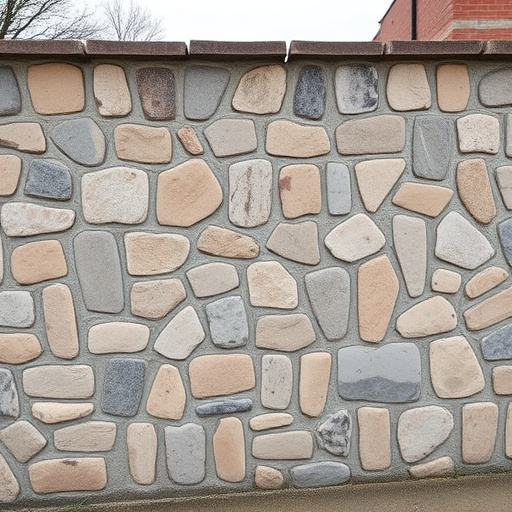
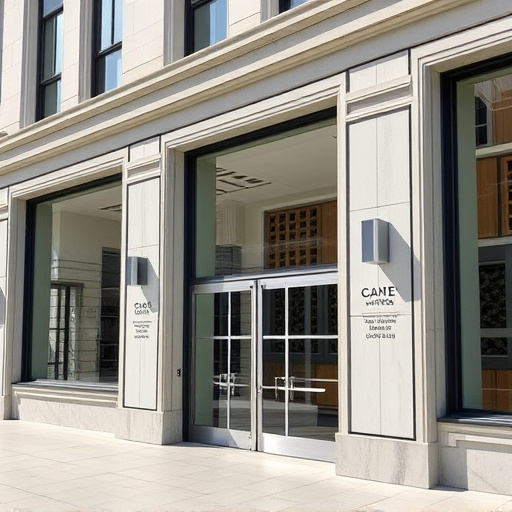
- Cladding Material: Typically, cladding materials include brick, stone, wood, metal, or vinyl siding. Each option provides different aesthetic and performance characteristics. For instance, brick offers exceptional durability and a classic look, while vinyl is known for its low maintenance and cost-effectiveness.
- Substrates: These are the supporting structures behind the cladding, ensuring stability and structural integrity. Common substrates include timber frames, steel beams, or concrete blocks.
- Framing: The internal structure of the building forms the foundation upon which the cladding is attached, creating a robust exterior shell.
- Installation Techniques: Professional installation methods vary from traditional mechanical fastening to more modern systems employing concealed fixings for a sleek finish.
Historical Context: The concept of cladding has roots in ancient construction practices, where natural materials like stone and wood were used to protect structures. However, the modern cladding revolution began in the mid-20th century with advancements in material science and construction technology. Today, Cladding Homes Bendigo is a testament to the marriage of traditional craftsmanship and contemporary innovation, offering builders and homeowners a versatile tool for creating visually stunning and energy-efficient dwellings.
Global Impact and Trends: A World Embracing Cladding Innovation
Cladding Homes Bendigo has transcended regional boundaries, captivating architects, builders, and homeowners worldwide. Its global impact is evident through several key trends:
- Aesthetic Diversification: From the rustic charm of wooden cladding to the modern metallic finishes, the diversity in cladding styles caters to a wide range of tastes and architectural themes.
- Sustainability Focus: Many countries are embracing eco-friendly cladding options, such as recycled materials and energy-efficient insulation, contributing to sustainable construction practices.
- Technological Integration: The incorporation of smart technology in cladding systems allows for enhanced security, improved insulation, and better energy management, setting new standards in home automation.
- Cultural Fusion: Different regions are blending traditional local building practices with modern cladding techniques, resulting in unique architectural expressions that celebrate cultural heritage.
Regional Variations:
| Region | Popular Cladding Styles | Notable Trends |
|—|—|—|
| North America | Vinyl and Fiber Cement Siding | Energy-efficient insulation, smart home integration |
| Europe | Brick and Stone Cladding | Sustainable materials, historical restoration projects |
| Asia Pacific | Wooden Cladding and Metal Panels | Modular construction, rapid urbanization |
| Middle East | Stoned Cladding and Marble | Luxury design, high-rise buildings |
Economic Considerations: Market Dynamics and Investment Scenarios
The economic landscape surrounding Cladding Homes Bendigo is dynamic and multifaceted.
Market Dynamics:
- Growth Rate: The global cladding market is projected to grow at a CAGR of 7% from 2022 to 2030, indicating strong demand for innovative exterior solutions.
- Regional Disparities: Asia Pacific and North America dominate the market share, with Europe following closely. Emerging economies in Southeast Asia are expected to witness significant growth due to urbanization and changing construction trends.
- Material Preferences: The preference for sustainable and low-maintenance materials is driving the demand for fiber cement, wood, and vinyl cladding, while premium options like marble and granite remain popular for high-end projects.
Investment Patterns:
- Residential Sector Dominance: Cladding investments heavily favor residential applications due to increasing homeownership rates and a growing middle class in developing nations.
- Commercial and Industrial Applications: While relatively smaller, the commercial sector is witnessing growth, particularly in retail spaces and office buildings, where cladding enhances curb appeal and energy efficiency.
- Public Infrastructure Projects: Government initiatives for urban renewal and infrastructure development also contribute to the cladding market, focusing on aesthetically pleasing and durable solutions.
Technological Advancements: Revolutionizing Cladding Practices
Technological breakthroughs have significantly enhanced the capabilities and performance of Cladding Homes Bendigo. Here are some notable advancements:
- 3D Printing: This emerging technology allows for complex geometric designs in cladding materials, offering endless creative possibilities and reducing waste during construction.
- Smart Insulation: Integrated sensors and advanced insulation materials can monitor and regulate indoor temperatures, improving energy efficiency and comfort.
- Digital Design Software: Advanced CAD (Computer-Aided Design) software enables architects to visualize and simulate cladding systems, ensuring optimal performance and aesthetics before construction begins.
- Automated Cladding Installation: Robotic systems are being developed to streamline installation processes, reduce labor costs, and enhance accuracy, especially in challenging locations.
Policy and Regulation: Navigating Legal Frameworks
The development and implementation of Cladding Homes Bendigo are guided by various policies and regulations, ensuring safety, quality, and environmental sustainability.
- Building Codes: Local building codes dictate the acceptable materials, methods, and standards for cladding construction, varying across regions. These codes ensure structural integrity and fire safety.
- Environmental Regulations: Many countries have stringent rules regarding the use of sustainable materials, waste management, and energy efficiency, influencing the choice and installation practices of cladding systems.
- Permits and Approvals: Homeowners often require permits for significant exterior renovations, ensuring compliance with local zoning laws and aesthetic guidelines.
- Product Standards: Organizations like ASTM (American Society for Testing and Materials) and ISO (International Organization for Standardization) set performance criteria for cladding materials, ensuring quality and longevity.
Challenges and Criticisms: Overcoming Barriers to Adoption
Despite its numerous benefits, Cladding Homes Bendigo faces challenges and criticisms that require thoughtful strategies for resolution.
- Initial Cost: One of the primary barriers is the perceived higher upfront cost compared to traditional cladding methods. However, long-term energy savings and increased property value often offset these initial expenses.
- Weathering and Maintenance: While many cladding materials are durable, proper maintenance is essential to prevent degradation from harsh weather conditions. Regular cleaning and repairs ensure longevity.
- Design Limitations: Some critics argue that certain architectural styles may not be suitable for all cladding types, limiting design flexibility. Customization and creative solutions can address these concerns.
- Workforce Shortages: The skilled labor required for specialized cladding installation is a challenge in many regions. Training programs and industry collaborations can help address this issue.
Strategic Solutions:
- Offer incentives and grants to encourage the adoption of energy-efficient cladding practices.
- Develop industry standards and training programs to ensure high-quality workmanship and mitigate maintenance concerns.
- Promote digital design tools to architects, enabling them to explore diverse cladding options and find suitable solutions for various architectural styles.
- Collaborate with local authorities to streamline permit processes, making exterior renovations more accessible.
Case Studies: Real-World Success Stories
1. Sustainable Urban Renewal—Sydney, Australia
In the bustling city of Sydney, an aging residential area underwent a transformation using Cladding Homes Bendigo. The project focused on using sustainable materials and design to create energy-efficient homes while preserving the neighborhood’s unique character. Clay bricks with a modern twist and fiber cement siding were employed, resulting in aesthetically pleasing buildings that also reduced carbon footprints. This initiative not only revitalized the area but also set a benchmark for eco-friendly urban renewal.
2. Historic Preservation—Rome, Italy
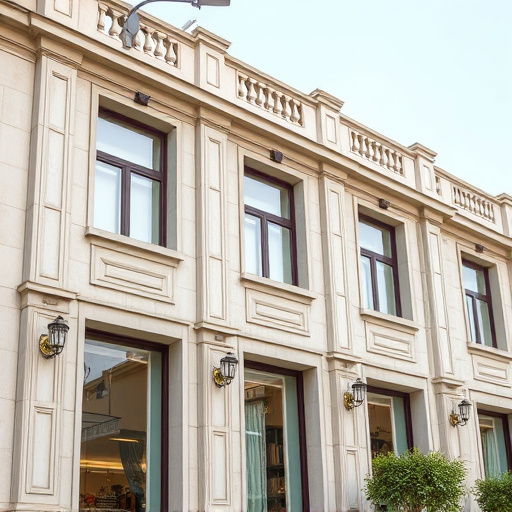
The ancient city of Rome presented a unique challenge: preserving historic structures while incorporating modern cladding techniques. Architects carefully selected stone and brick cladding to match the existing architecture, ensuring cultural continuity. This project highlighted the versatility of Cladding Homes Bendigo in harmonizing traditional aesthetics with contemporary construction methods.
3. Innovative High-Rise—Dubai, United Arab Emirates
Dubai’s skyline is a testament to futuristic architecture, and one prominent development embraced cladding as a design element. The high-rise residential tower featured metallic cladding that reflected sunlight, creating a captivating visual effect while also providing excellent thermal insulation. This case study demonstrates how cladding can enhance the overall experience of urban living, blending functionality with breathtaking aesthetics.
Future Prospects: Emerging Trends and Strategic Considerations
The future of Cladding Homes Bendigo is brimming with potential, driven by technological advancements, changing consumer preferences, and environmental considerations. Here are some key trends to watch:
- Modular Clading Systems: Pre-fabricated cladding panels offer faster installation times and cost savings, ideal for rapid urban development.
- Smart Cities and Cladding: As cities become more connected, cladding systems can incorporate IoT (Internet of Things) technology for enhanced security, energy management, and interactive experiences.
- Biophilic Design: Incorporating natural materials and organic textures in cladding will continue to gain traction, fostering a connection between residents and the outdoors.
- 3D Printing Revolution: The use of 3D printing for custom-designed cladding could revolutionize customization options, allowing for unique architectural expressions.
- Circular Economy Approach: Reusing and recycling cladding materials will become more prevalent, aligning with sustainability goals.
Strategic Considerations:
- Sustainability at the Core: Builders and architects should prioritize sustainable materials and practices to meet growing environmental awareness.
- Digital Integration: Embracing digital design and construction technologies will streamline processes and enable creative solutions.
- Cultural Sensitivity: Cladding designs should respect local architectural traditions, fostering community acceptance and cultural pride.
- Collaboration and Education: Industry stakeholders, government bodies, and educational institutions must collaborate to address skill gaps and promote best practices.
Conclusion: Shaping the Future of Residential Construction
Cladding Homes Bendigo has emerged as a powerful tool in the construction industry’s arsenal, offering a blend of aesthetics, functionality, and sustainability. Its global impact and diverse applications demonstrate its versatility and potential to redefine urban landscapes. As technology advances and environmental considerations become paramount, this innovative approach will continue to evolve, shaping the future of residential construction and fostering vibrant, sustainable communities worldwide.
FAQ Section: Addressing Common Concerns
Q: Is cladding expensive, and how can I keep costs down?
A: While initial costs may be higher, long-term savings through improved energy efficiency and reduced maintenance can offset these expenses. Additionally, government incentives and grants for energy-efficient homes can make cladding more affordable.
Q: How do I choose the right cladding material for my home?
A: Consider factors like climate, architectural style, budget, and maintenance preferences. Consult with professionals who can provide expert advice based on your specific needs and local conditions.
Q: Can cladding systems be easily maintained?
A: Regular cleaning and inspections are essential to ensure the longevity of your cladding. Most materials require minimal upkeep, but some may need specialized care, especially after extreme weather events.
Q: Are there any environmental concerns associated with cladding?
A: Responsible sourcing and proper disposal of materials are crucial. Many cladding manufacturers adhere to sustainable practices, and using recycled or eco-friendly options can minimize environmental impact.
Q: Can cladding enhance energy efficiency in older homes?
A: Absolutely! Cladding can significantly improve insulation, reducing heating and cooling costs. It is an effective way to modernize older homes and make them more energy-efficient without major structural renovations.
Steeline Roofing Centre Bendigo offers expert cladding solutions for homes in the region, focusing on durability and aesthetics. With a range of weather-resistant options, including aluminium and timber cladding, they provide custom installation…….
Continue Reading
Choosing the right cladding for your home in vibrant Bendigo is crucial for aesthetics, insulation, and structural integrity. Steeline Roofing Centre Bendigo offers a wide array of high-quality cladding options tailored to local needs, from trad…….
Continue Reading
Steeline Roofing Centre Bendigo is the premier destination for cladding solutions in Bendigo and surrounding areas, offering high-quality products and expert advice to enhance homes' aesthetics and durability. With a range catering to both…….
Continue Reading
Cladding Homes Bendigo with Steeline Roofing Centre offers a blend of protection and aesthetics tailored to local conditions and housing market trends. They provide durable, aesthetically pleasing solutions with an extensive range of styles and…….
Continue Reading
Cladding Homes Bendigo with Steeline Roofing Centre is a smart investment for property owners facing diverse weather patterns. They offer durable, climate-adapted cladding solutions enhancing both structural integrity and visual appeal. With a f…….
Continue Reading
Steelee (or Steeline) Roofing Centre Bendigo is a trusted local business offering high-quality house cladding solutions for both residential and commercial projects. With years of industry experience, they provide a diverse range of cladding opt…….
Continue Reading
In Bendigo, Steeline Roofing Centre offers top-quality cladding services tailored to local weather, budget, and style. Located at 6 Harrien Ct, Epsom VIC 3551, their expert team provides durable, aesthetically pleasing solutions for modernizing…….
Continue Reading
Steeline Roofing Centre Bendigo is a reliable provider of high-quality home cladding solutions, offering diverse options for various tastes and budgets. With their extensive industry knowledge, personalized consultations, and commitment to susta…….
Continue Reading
Steeline Roofing Centre Bendigo is your go-to for high-quality home cladding and roofing solutions. With expert advice, a wide range of durable products, and precise installation, they ensure long-lasting results. Located at 6 Harrien Ct, Epsom…….
Continue Reading
Steeleen Roofing Centre Bendigo, located at 6 Harrien Ct, Epsom VIC 3551, Australia, is a comprehensive roofing and cladding solution provider. They offer a diverse range of external cladding options, including timber, vinyl, fiber cement, and m…….
Continue Reading
Steelee Roofing Centre Bendigo is your local, trusted source for premium home cladding solutions. They offer a diverse range of high-quality materials and personalized designs tailored to individual needs. With expert advice, innovative techniqu…….
Continue Reading
Steeline Roofing Centre Bendigo is a premier provider of cladding solutions for residential and commercial properties in the region. They offer a diverse range of high-quality materials catering to various architectural styles, from modern to tr…….
Continue Reading
Steeline Roofing Centre Bendigo is your go-to for cladding homes in the region, offering a wide range of high-quality, durable cladding options tailored to Bendigo's weather conditions. From classic brick and timber to modern steel and fibr…….
Continue Reading
Steeline Roofing Centre Bendigo is a leading provider of high-quality home cladding solutions with years of industry experience. They offer a diverse range of modern and traditional options, guiding customers to make informed choices that enhanc…….
Continue Reading
Cladding Homes Bendigo: Enhance Your Property with Steeline's Expert SolutionsSteeline Bendigo offers top-quality, durable cladding solutions for homes, catering to diverse styles and budgets. They provide consultations or in-person visits…….
Continue Reading
Cladding Homes Bendigo is an essential exterior construction and renovation aspect offering protection, aesthetic enhancement, and energy efficiency. Steeline Roofing Centre Bendigo provides comprehensive cladding solutions, catering to diverse…….
Continue Reading
Residential cladding in Bendigo enhances homes' aesthetics and value through protective outer layers like vinyl, aluminium, or fiber cement. Steeline Roofing Centre, a leading provider (+61 3 5448 5240), offers guidance and high-quality mat…….
Continue Reading
Steeline Roofing Centre Bendigo is your premier choice for home cladding solutions, offering a wide array of high-quality Steeline products suitable for modern and traditional properties. Their expert team provides personalized guidance througho…….
Continue Reading
Cladding has become a popular trend in Bendigo, offering protection and aesthetic enhancement for homes. Steeline Roofing Centre Bendigo specializes in steel roofing and cladding, providing expert guidance and a wide range of options. They offer…….
Continue Reading